
Lemon Gelatin
Lemon Gelatin is a bright, refreshing dessert that feels both simple and special. This homemade gelatin highlights fresh lemon juice for a clean citrus flavor, a silky spoonable texture, and an uplifting aroma that fills the kitchen. It is light on the palate, slightly tart with just enough sweetness to balance the lemon, and pleasantly springy when set. Serve it on warm afternoons, as a light finish to a heavy meal, or as a chilled snack on a sunny day. If you like easy lemon recipes, you may also enjoy a related twist in our lemon gelatin tonic recipe, which explores similar flavors in a drinkable form.
Ingredients
- 1/4 cup cold water, for blooming the gelatin. Cold water helps the gelatin granules hydrate evenly.
- 1 cup water, heated to dissolve the gelatin. Use filtered water for the cleanest taste.
- 1/4 to 1/3 cup fresh lemon juice, for bright, natural lemon flavor. Fresh juice gives the best aroma and acidity.
- 1 to 3 tablespoons sweetener, choose honey, sugar, erythritol, or stevia. Adjust to taste and note that calories vary by choice.
- 1 tablespoon unflavored gelatin powder, the setting agent that gives a firm but tender texture.
- Optional: Fresh lemon zest or a few drops of vanilla extract, for a fragrant finishing touch.
Step-by-Step Instructions
- Measure and bloom the gelatin: Sprinkle the 1 tablespoon of unflavored gelatin over 1/4 cup cold water in a small bowl. Let it sit for 3 to 5 minutes until it thickens and becomes spongy. Tip: Blooming ensures the gelatin dissolves smoothly without lumps.
- Warm the remaining water: Heat 1 cup of water to just below boiling, about small bubbles at the edge. Pour the hot water over the bloomed gelatin and stir until completely dissolved and the liquid is clear. Do not boil the mixture.
- Add lemon juice and sweetener: Stir in 1/4 to 1/3 cup fresh lemon juice and 1 to 3 tablespoons of your chosen sweetener, tasting as you go. Mix until the sweetener is fully combined and the flavor is balanced. Tip: Start with less sweetener, then add more if you prefer a sweeter gel.
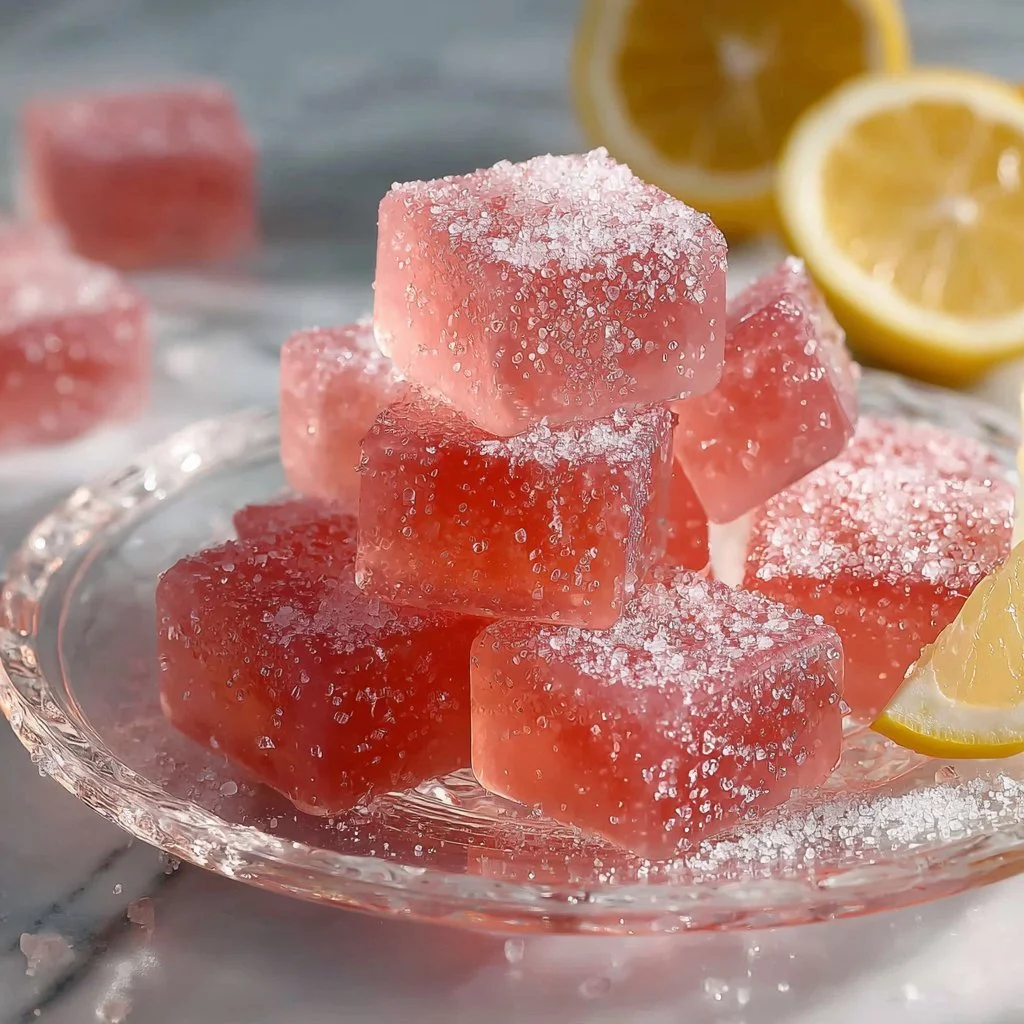
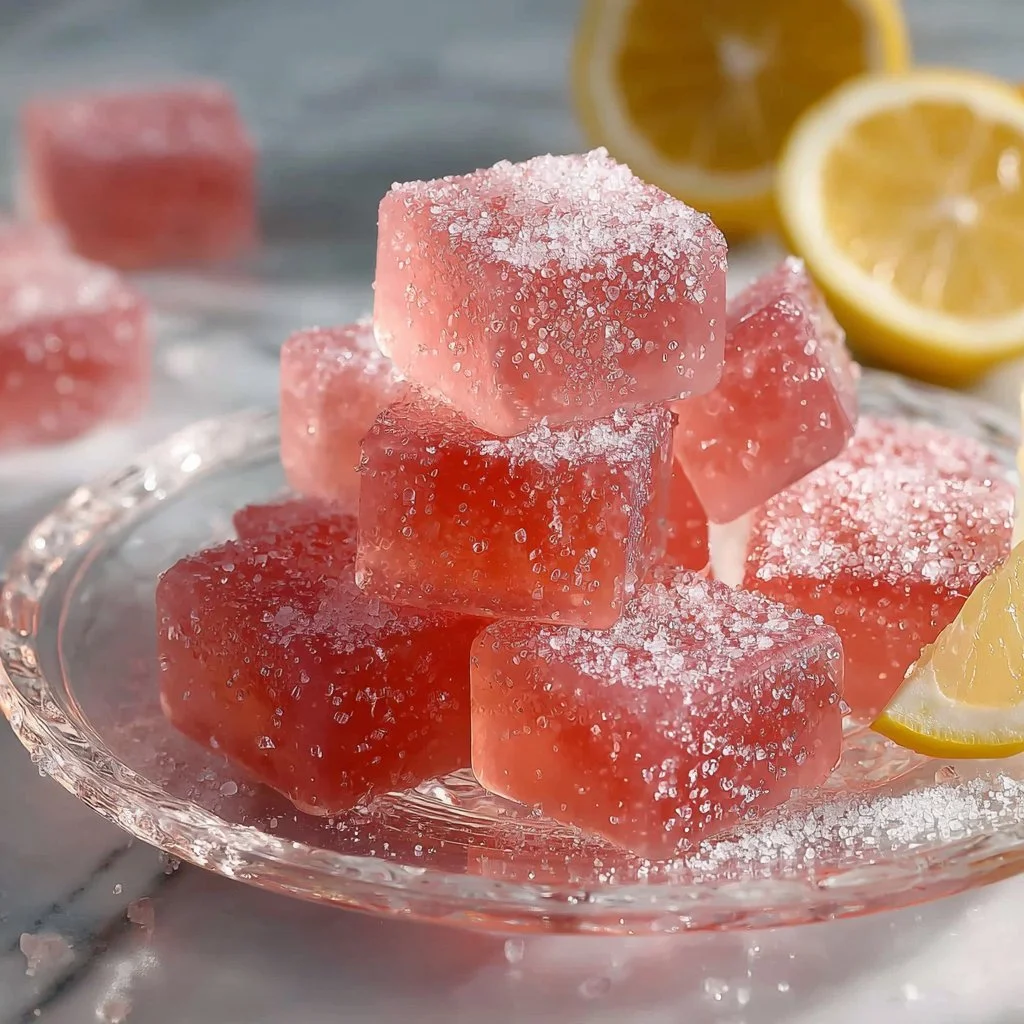
- Transfer to molds or dishes: Pour the lemon mixture into a shallow dish or individual molds for a pretty presentation. For easy unmolding, lightly oil silicone molds or chill in a flat pan and cut into squares.
- Chill until firm: Refrigerate for 2 to 3 hours until set. The gel will be firm and slightly springy when ready.
- Serve chilled: Cut into portions or unmold and serve cold, garnished with fresh lemon zest or berries. If you want a savory lemon pairing, try serving alongside a light fish like 15-minute air fryer lemon garlic tilapia.
Recipe Details
- Prep Time: 8 minutes, including blooming the gelatin and mixing.
- Cook Time: 5 minutes, mainly for heating and dissolving the gelatin.
- Total Time: 2 hours 13 minutes to 3 hours 13 minutes, including chilling time.
- Servings: Makes about 4 small servings, depending on portion size.
- Calories (approximate): 45 kcal per serving. This is an estimate and will vary with the sweetener and exact lemon amount used. For a lower calorie version use erythritol or stevia.
Tips, Storage & Variations
- Practical tips: Taste the mixture before chilling to adjust tartness and sweetness. Avoid boiling the gelatin as high heat can weaken set.
- Unmolding tip: If using molds, briefly warm the bottom of the mold with your hands or dip the base in warm water for a few seconds, then invert onto a plate.
- Storage: Keep lemon gelatin refrigerated in an airtight container for up to 5 days. If cut into portions, cover the surface to prevent it from taking on fridge odors.
- Freezing advice: Freezing is not recommended because the texture can become grainy when thawed.
- Flavor variations using existing ingredients only: Add fresh lemon zest to the liquid before chilling for extra aroma, or stir in a few drops of vanilla extract for a softer, rounded flavor. For a lower calorie option, use erythritol or stevia instead of sugar or honey. For inspiration on gelatin uses, see this 3-ingredient gelatin recipe for weight loss and the 3-ingredient gelatin trick for simple variations.
FAQ
-
Can I use bottled lemon juice instead of fresh?
Yes. Fresh juice is best for aroma and brightness, but bottled juice will work. Taste and adjust sweetness. -
How long does it take to set?
It typically sets in 2 to 3 hours in the refrigerator. -
Can I make this sugar-free?
Yes. Use erythritol or stevia in place of sugar or honey. Adjust to taste. -
What is the best way to dissolve the gelatin?
Pour hot, but not boiling, water over bloomed gelatin and stir until fully dissolved and clear. -
Can I double the recipe?
Yes. Double all ingredients and use a larger pan or more molds. Keep chilling time similar.
People Also Ask (PAA)
-
How tart will lemon gelatin be with 1/4 cup juice?
With 1/4 cup it will be mildly tart. Increase to 1/3 cup for a brighter, tangier result. -
Does gelatin need to bloom before heating?
Yes, blooming hydrates the granules so they dissolve evenly and set properly. -
Can lemon gelatin be cut into shapes?
Yes, chill in a shallow dish and cut into squares, or use molds for shapes. -
Will honey change the texture?
Honey may make the gel slightly softer and adds a floral sweetness compared to sugar. -
Is unflavored gelatin the same as powdered gelatin?
Yes. Unflavored gelatin powder is the common form used in home recipes. -
Can I serve lemon gelatin with cream or whipped topping?
Yes. A dollop of whipped cream pairs nicely, balancing the tartness. -
What temperature should the water be to dissolve gelatin?
Just below boiling, when small bubbles form at the edge but it is not actively boiling. -
Can I add fruit to the gelatin before it sets?
Firm fruits work best, but some fresh fruits contain enzymes that prevent setting. If adding fresh fruit, briefly simmer it first or freeze it.
Conclusion
I hope you enjoy making this simple, bright Lemon Gelatin at home and that it becomes a go-to light dessert for warm days and casual dinners. For a different homemade take on lemon gelatin, check out this DIY Lemon Jello at Domestic Dreamboat for a creative spin. If you prefer naturally sweetened versions, this Naturally Sweetened Homemade Lemon Jello at Recipes to Nourish offers ideas on alternative sweeteners. For more tips on using real juice, see Homemade Lemon Jello with real juice at jellojoy. For a naturally sweetened approach with a home-cooking perspective, this Naturally Sweetened Lemon Jello at Mommypotamus is helpful. If you want a more refined, spoonable gel, read this Light and Refreshing Lemon Gelee at Bigger Bolder Baking. Please try the recipe, personalize it to your taste, and share how it turned out. Enjoy a cozy, citrusy moment with your homemade lemon gelatin.
Lemon Gelatin
Ingredients
Method
- Sprinkle the unflavored gelatin over 1/4 cup cold water in a small bowl and let it sit for 3 to 5 minutes until it thickens.
- Heat 1 cup of water to just below boiling and pour it over the bloomed gelatin, stirring until completely dissolved.
- Stir in the fresh lemon juice and sweetener, adjusting to taste.
- Pour the mixture into molds or a shallow dish.
- Refrigerate for 2 to 3 hours until firm.
- Cut into portions or unmold and serve chilled, garnished with fresh lemon zest or berries.