

If you’ve seen people adding pink salt to their water bottles, you might wonder why. Is it just for taste, or does it actually help? The answer lies in a growing trend tied to pink salt electrolytes hydration. Fans of this practice claim that a pinch of Himalayan salt can improve energy levels, boost fluid absorption, and even prevent muscle cramps. But how much of that is fact—and how much is just wellness hype?
The real appeal behind pink salt electrolytes hydration comes from its trace minerals. Unlike regular table salt, pink salt contains magnesium, potassium, and calcium—key players in fluid balance. So does that mean pink salt electrolytes hydration really works? In this article, we’ll break down what makes pink salt special, how it compares to typical electrolyte mixes, and whether adding it to your water is a smart move—or a waste of time.
Table of Contents
What Are Electrolytes—and Does Pink Salt Have Them?
Understanding Electrolytes and Hydration
To stay truly hydrated, your body needs more than just water—it needs electrolytes. These are minerals like sodium, potassium, magnesium, and calcium that regulate muscle function, nerve signals, and fluid balance. Without enough of them, you might feel tired, foggy, or even cramp up after sweating.
Electrolytes help water move into your cells and keep everything functioning smoothly. That’s why many athletes and health-conscious folks turn to electrolyte drinks. But here’s where pink salt electrolytes hydration enters the chat. Pink Himalayan salt contains several of these key minerals in natural, trace amounts. While it’s not as concentrated as a lab-made electrolyte mix, it offers a more natural alternative.
How Pink Salt Measures Up
So, does pink salt actually help with hydration? Yes—but with a few caveats. Pink salt provides small doses of electrolytes, including sodium, calcium, and magnesium. These minerals support water retention, muscle recovery, and even nerve health when used in the right context.
However, it’s important to use the right amount. Too little won’t make much of a difference, and too much could increase your sodium intake beyond healthy levels. If you’re curious about the balance, this article on pink salt and hydration gives a solid overview. For a deeper dive into the science, don’t miss the breakdown of the pink salt trick and what it claims to do for your body.
Used wisely, pink salt electrolytes hydration can offer real benefits—especially when paired with clean water and proper nutrition.
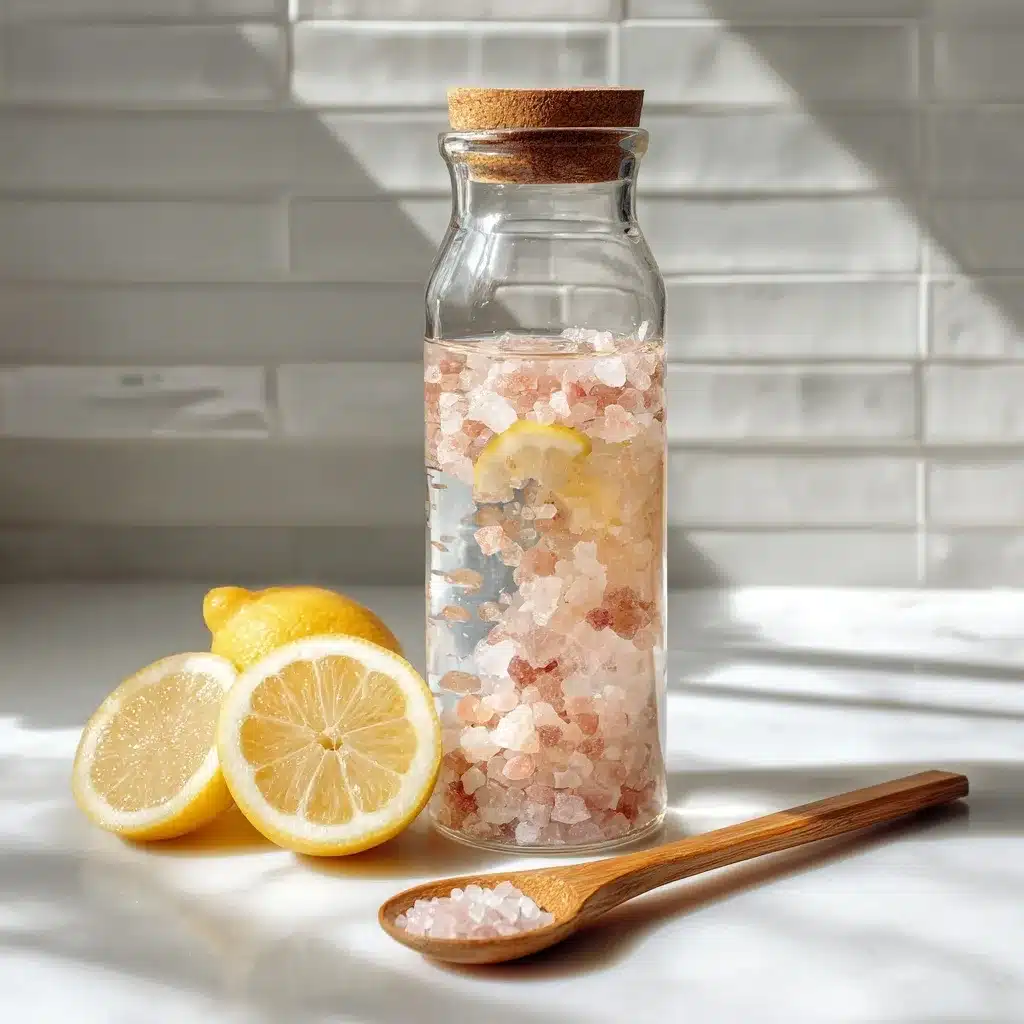
How to Make a Pink Salt Electrolyte Drink
The Basic Recipe: Simple and Effective
You don’t need fancy powders to stay hydrated. With just a few pantry staples, you can create your own pink salt electrolytes hydration drink at home. Here’s a simple, balanced recipe:
- 1 liter (about 4 cups) of filtered water
- ⅛ to ¼ teaspoon of pink Himalayan salt
- Juice from half a lemon or lime
- 1–2 teaspoons of raw honey or maple syrup (optional)
This combination gives you a small but useful dose of electrolytes: sodium from the salt, potassium from citrus, and glucose from the honey to aid absorption. Stir well and sip throughout the day—especially after sweating or during fasting periods.
Don’t overdo the salt. A small pinch goes a long way. If you’re wondering whether it’s safe, this guide to pink salt trick safety explains proper use and dosage. You can also check how it stacks up nutritionally by exploring Himalayan pink salt benefits.
When to Use It
This DIY drink works best:
- In the morning to replenish minerals lost overnight
- After workouts to restore hydration and reduce cramping
- During intermittent fasting or keto diets to prevent electrolyte loss
- On hot days or while traveling to avoid dehydration
If you’ve been asking, “Can pink salt help with hydration?” or “Can I make electrolyte water with Himalayan salt?” — the answer is yes, when done correctly.
This simple drink offers a clean, affordable way to support your body’s needs—without any artificial additives.
Benefits and Limitations of Pink Salt for Hydration
The Real Benefits You Can Expect
Using pink salt for hydration isn’t just a trend—it can actually help. Thanks to its natural trace minerals, it supports electrolyte balance without the additives found in many sports drinks. If you’re looking for a gentle way to maintain hydration throughout the day, this method works well.
Pink salt provides sodium, calcium, magnesium, and potassium, all of which play a role in regulating fluid balance, muscle contractions, and nerve signals. This makes it especially helpful after workouts, during hot weather, or if you’re following a low-carb or fasting lifestyle.
For example, many keto followers use it to avoid the “keto flu,” a group of symptoms often tied to electrolyte imbalance. You’ll find more context on that in the doctor-reviewed opinions on pink salt. And if you’re still curious about whether pink salt truly counts as an electrolyte source, this article on pink salt myths clears up the confusion.
But It’s Not a Perfect Solution
Still, pink salt electrolytes hydration has its limits. The mineral content is real—but minimal. You’d have to consume a lot of salt to get the same levels found in a dedicated electrolyte formula. That’s not ideal, since high sodium intake can raise blood pressure and put stress on your kidneys.
Pink salt also lacks iodine, which is added to table salt for thyroid support. So if you use it exclusively, make sure you’re getting iodine elsewhere in your diet.
In short, pink salt works as a mild, natural way to stay hydrated—but it shouldn’t replace targeted electrolyte support when you’re sick, severely dehydrated, or doing intense athletic training.
How Much Pink Salt to Use—And Who Should Be Cautious
Dosing It Right for Daily Hydration
If you’re wondering, how much pink Himalayan salt should I add to drinking water, the safe range is typically between ⅛ to ¼ teaspoon per liter. That’s enough to provide trace electrolytes without overwhelming your sodium intake.
Always mix it thoroughly, and don’t exceed the upper limit unless advised by a health professional. Too much salt—even the natural kind—can lead to bloating, increased thirst, or elevated blood pressure. For most people, this low dose offers hydration support without risk, especially when paired with clean water and a nutrient-dense diet.
You’ll find specific tips in this guide to pink salt hydration and blood pressure, and this article on pink vs blue salt shows how different salts compare in terms of safety and mineral content.
When to Skip It (Or Talk to a Doctor First)
Pink salt electrolytes hydration isn’t for everyone. If you have kidney disease, high blood pressure, or are on a low-sodium diet, talk to your doctor first. People with iodine deficiency may also want to limit pink salt use, since it contains none of the iodine added to regular table salt.
Children, pregnant women, or anyone with chronic health conditions should be especially cautious. Remember, just because it’s natural doesn’t mean it’s risk-free.
For the average healthy adult, though, pink salt used mindfully can be a gentle hydration tool that avoids the artificial colors, sugars, and preservatives often found in commercial electrolyte drinks.
FAQs
Can pink salt help with hydration?
Yes, pink Himalayan salt contains trace minerals like sodium, magnesium, and potassium that support hydration when added to water in small amounts. It’s not a cure-all, but it can help the body retain fluids more effectively.
Does pink salt count as electrolytes?
Yes, but in trace amounts. Pink salt contains natural electrolytes, including sodium and magnesium, which play a role in muscle function and fluid balance. It’s a natural option, but not as concentrated as commercial electrolyte powders.
Can you make electrolyte water with pink Himalayan salt?
Absolutely. A basic recipe includes water, pink salt, lemon juice, and optional honey. This DIY mix offers clean, natural hydration support without artificial ingredients.
How much pink Himalayan salt should I add to my drinking water?
Start with ⅛ teaspoon per liter of water. You can increase to ¼ teaspoon if needed, but avoid higher amounts unless recommended by a healthcare provider.
Conclusion
Pink salt electrolytes hydration is more than a wellness trend—it’s a practical way to support your body’s mineral needs using natural ingredients. While it won’t replace targeted electrolyte therapy for intense activity or illness, it offers a simple, low-cost hydration boost for daily life. With proper use, it’s safe, effective, and free of synthetic additives. Just remember: moderation is key.
Disclaimer
This article is for informational purposes only and does not constitute medical advice. Always consult your healthcare provider before making dietary changes, especially if you have blood pressure, kidney, or thyroid concerns.
Source: MedlinePlus – Sodium in Diet | U.S. National Library of Medicine