
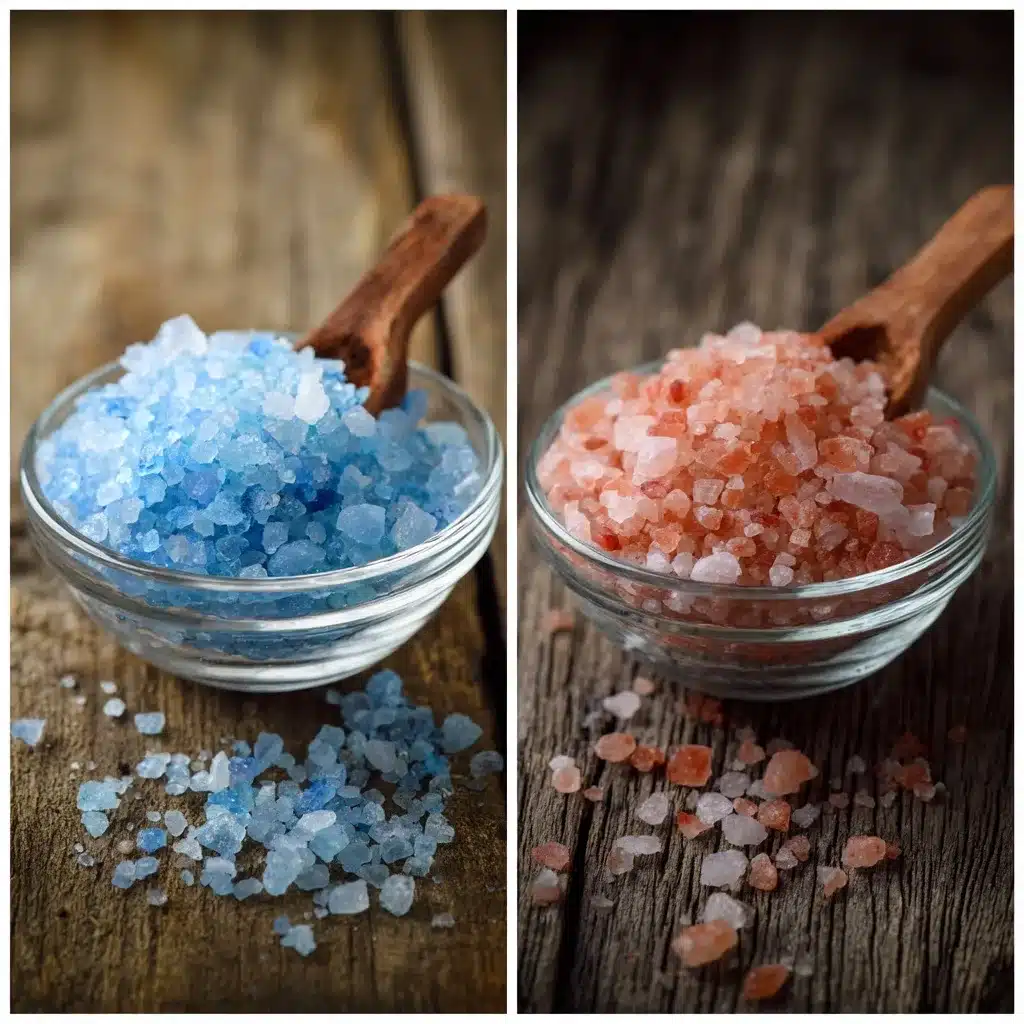
If you’ve seen the buzz around the blue salt trick vs pink salt trick, you’re not alone. Wellness influencers and health coaches have turned these colorful salts into internet sensations, each claiming miraculous benefits. But before you swap your sea salt for something flashier, it’s worth asking: what’s real, and what’s just hype? The blue salt trick vs pink salt trick debate isn’t just about color it’s about trace minerals, health claims, and how your body actually uses salt.
From vibrant Iranian blue salt to the ever-popular Himalayan pink salt, people everywhere want to know which one delivers more than just flavor. In this article, we’ll break down the blue salt trick vs pink salt trick in clear terms, so you can make the best choice for your health and your kitchen. Whether you’re chasing better hydration or just curious, we’ve got the scoop.
Table of Contents
What Are the Blue and Pink Salt Tricks?
The Hype Behind the Pink Salt Trick
The so-called pink salt trick gained traction thanks to its bold health claims. Sourced from the Himalayan foothills, this rosy rock salt contains over 80 trace minerals, including magnesium, calcium, and potassium. Supporters say it boosts hydration, balances electrolytes, and even lowers blood pressure. But calling it a “trick” often refers to exaggerated benefits you’ll find circulating online.
Some influencers promise weight loss, detoxification, or even disease prevention—claims not always backed by science. Experts have warned that while pink salt has minerals, they appear in tiny amounts, not enough to change your health overnight. If you’re curious about how it affects your body long-term, this breakdown of pink salt trick side effects offers the facts. And for those wondering if it’s really effective or just flashy, read what doctors say about the pink salt trick.
Meet the Rare Blue Salt
Now enter the blue salt trick—a newer trend riding the wellness wave. Blue salt comes from Iran and gets its unique color from natural potassium mineral deposits called sylvite. Unlike pink salt, blue salt is much rarer and harder to find. Fans claim it delivers stronger flavor and more concentrated health benefits due to its denser mineral profile.
However, just like pink salt, the blue salt trick label suggests a gap between perception and science. There’s intrigue, yes, but limited research. It looks striking, tastes bold, and stirs curiosity—but that doesn’t mean it’s a miracle ingredient. The key is knowing where science ends and speculation begins.
What These Salts Really Do in Your Body
Hydration and Electrolyte Balance
Salt plays a key role in hydration by helping your body hold onto water. That’s why many people reach for electrolyte drinks—or turn to mineral-rich salts. The blue salt trick vs pink salt trick debate often centers on hydration claims, but let’s get specific.
Pink salt contains trace minerals like magnesium and potassium that support cellular hydration. These minerals help your body absorb fluids more efficiently, especially after exercise or on hot days. That said, the mineral content varies by brand and processing. Curious if pink salt actually works for this? Check out how pink salt affects electrolytes and hydration for a clearer picture.
Blue salt, on the other hand, offers a more concentrated dose of potassium—thanks to its unique makeup. That may sound better, but your body still processes it like any other salt. There’s no strong evidence that blue salt hydrates more effectively than pink salt. It’s the balance of your entire diet and water intake that truly matters.
Absorption, Blood Pressure, and Daily Limits
Now let’s talk about salt’s more controversial side: blood pressure. Traditional table salt contains only sodium, while Himalayan and blue salts include other minerals that might help balance sodium’s effects. But the difference isn’t dramatic enough to call one healthier by default.
Using either salt in moderation won’t harm most people, but don’t overdo it expecting magical results. You’ll find more detail in this analysis of how pink salt affects blood pressure. It’s also worth reviewing the general health benefits of Himalayan salt if you’re comparing everyday use.
Ultimately, your body doesn’t care much about the color—it cares about the quantity. Use either salt sparingly and combine it with a whole-foods diet for real results.
Sourcing, Purity, and the Truth About “Salt Tricks”
Where These Salts Come From
When comparing the blue salt trick vs pink salt trick, it helps to know where each one originates. Himalayan pink salt comes from ancient sea beds in the Khewra Salt Mine in Pakistan. It’s hand-mined, minimally processed, and often promoted as the purest form of salt on Earth. Blue salt, in contrast, is mined in Semnan, Iran, and owes its vibrant color to sylvite—a naturally occurring potassium mineral.
The source matters, not just for marketing, but for quality and mineral content. Genuine blue salt is rare, which makes it pricey. Because of that, imitation products have hit the market, often dyed or artificially colored. Pink salt also faces similar issues. As its popularity exploded, so did the number of low-quality blends labeled as “Himalayan.”
Want to know if the pink salt you’re using is legit? This deep dive on science behind pink salt trick breaks down mineral content and purity testing.
Purity Claims vs Reality
Both salts claim to be “pure,” but that’s a slippery term. Some pink salts have been found to contain trace heavy metals like lead or arsenic—usually in amounts too small to cause harm, but still something to consider if you’re using it daily. Similarly, not all blue salt on the market is genuine or food-grade. Some varieties are meant for cosmetic use or decorative display only.
The term “salt trick” often reflects how these products are sold: marketed as life-changing, when in reality they’re just one part of a larger nutrition picture. Before buying, read labels carefully. If you’re concerned about safety, this guide on whether the pink salt trick is safe gives clear answers backed by experts.

Cooking with Color — When to Use Blue vs Pink Salt
Taste, Texture, and Kitchen Use
The blue salt trick vs pink salt trick comparison isn’t complete without talking flavor. Himalayan pink salt delivers a mild, earthy taste with a soft crunch that works well for everything from seasoning vegetables to finishing steaks. Because it dissolves slower than table salt, many home cooks prefer it for roasting, grilling, and even baking.
Blue salt? Now that’s bold. It brings a sharper, more mineral-heavy taste that’s almost tangy, making it better suited as a finishing salt than a cooking base. Sprinkle it over avocado toast or chocolate desserts for visual and flavor impact. It’s a conversation starter—but not something you’ll likely reach for every day.
If you’re weighing taste vs health, this article on Himalayan salt’s benefits might help clarify when it’s worth using in meals. For myths that surround its cooking uses, don’t miss this article debunking pink salt trick myths.
Which One Should You Actually Use?
Here’s the bottom line: if you’re looking for everyday seasoning that adds a little extra nutrition without overpowering your food, pink salt is the more versatile option. It’s affordable, widely available, and easy to use in all types of dishes. Use it in soups, on eggs, or even in homemade electrolyte drinks.
Blue salt, while eye-catching, is best reserved for special moments. Think fancy cheese boards or dishes where presentation matters. Its high price tag and limited availability make it more of a novelty than a pantry staple.
So which “trick” wins? That depends on your goals. Both salts offer benefits, but neither one is a miracle. They’re tools—not magic. Let your taste buds and budget decide which one earns a spot in your kitchen.
FAQs
Is blue salt better than pink salt?
Not necessarily. Blue salt has a bolder flavor and unique color due to its potassium-rich composition, while pink salt offers a gentler taste and is more widely available. The better option depends on your culinary needs and personal taste.
What is the difference between salt and blue salt?
Regular table salt is pure sodium chloride, often with added anti-caking agents. Blue salt, however, is a natural rock salt containing potassium-based minerals, giving it a distinctive blue hue and more intense flavor.
What is blue salt used for?
Blue salt is mostly used as a finishing salt for high-end dishes, thanks to its sharp flavor and striking color. It’s commonly sprinkled on desserts, grilled vegetables, or gourmet platters for visual and taste appeal.
Which is better: pink salt or Himalayan salt?
They’re actually the same thing. Himalayan salt is often pink due to its iron content. The terms are used interchangeably, but always look for “Himalayan” on the label to ensure you’re getting the mineral-rich variety.
Conclusion
In the blue salt trick vs pink salt trick debate, there’s no one-size-fits-all winner. Both salts offer distinct flavors, trace minerals, and visual appeal. Blue salt is rare, bold, and a bit flashy—best used in moderation. Pink salt is more practical for daily use and has just enough minerals to be useful without going overboard.
While neither salt lives up to every health claim floating around the internet, they can both play a flavorful role in a balanced diet. So use what fits your taste, your budget, and your goals—and skip the hype when you can.
Disclaimer
This article is for informational purposes only and not intended as medical advice. Always consult with a healthcare provider before making changes to your diet, especially when it involves salt intake.
Source: MedlinePlus | National Library of Medicine