

You’ve heard the hype. You’ve seen the claims. But what’s the real science behind pink salt trick? Some call it a metabolic reset, others swear by it for energy and hydration. But when you dig deeper, the question becomes: how does pink salt actually work—and is there any solid research to back it up?
In this article, we’ll break down the actual science behind pink salt trick, not just influencer buzz. You’ll learn how this mineral-rich salt affects hydration, digestion, and possibly even metabolism. We’ll cover the key studies (yes, there are a few), plus what nutritionists and medical pros really think.
If you’re looking for evidence-based answers about how pink salt works, this guide gives you the facts minus the fluff. Whether you’re curious about electrolytes or just trying to sort myths from science, we’ve got you covered.
Table of Contents
What Is the Pink Salt Trick?
The Basic Idea and Why It Went Viral
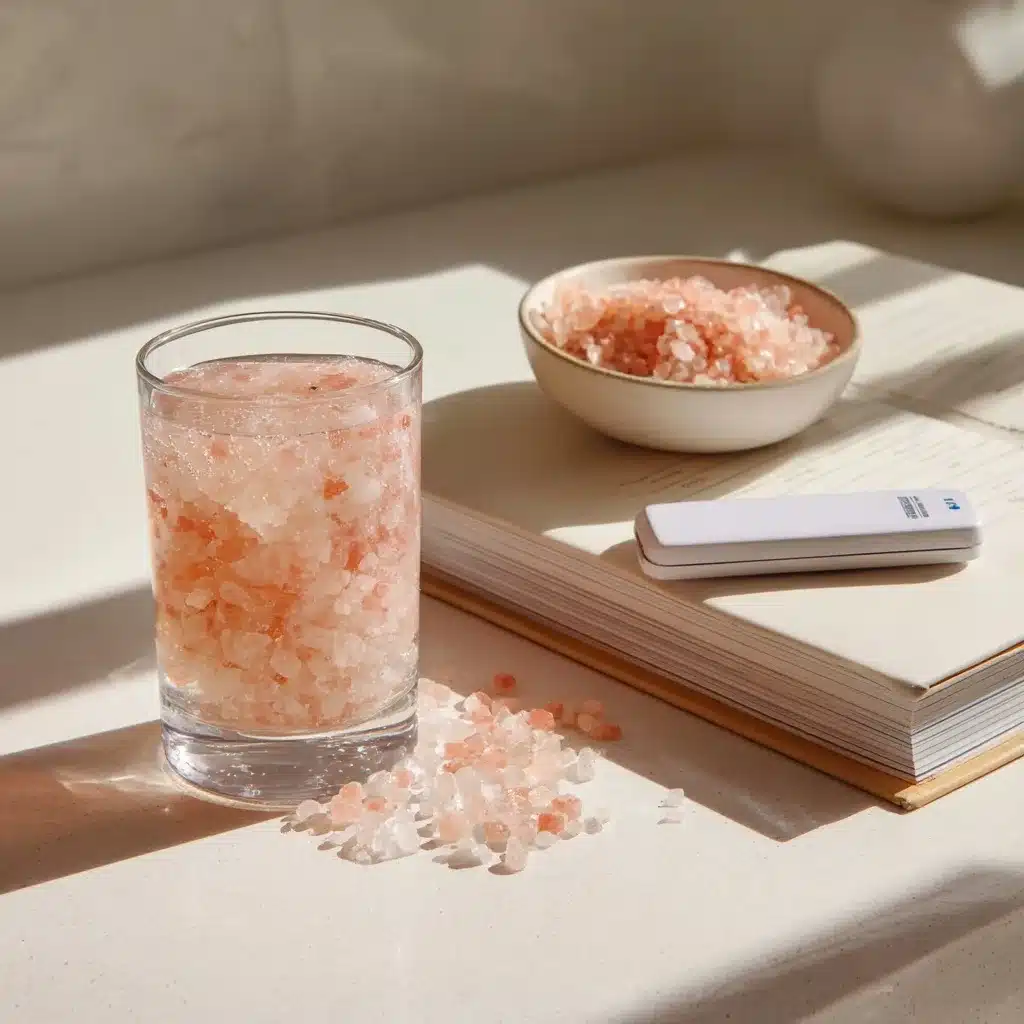
The pink salt trick took off online as a simple yet bold health hack. The idea is this: dissolve a pinch of Himalayan pink salt in water, usually first thing in the morning, and drink it to “activate” your body. People claim it boosts energy, jumpstarts digestion, and helps the body stay hydrated longer.
This trend didn’t just grow overnight. It spread through short-form videos, influencer reels, and blog posts, often without explaining the science behind pink salt trick claims. The pink hue and “natural” origin of the salt made it feel special, even though few could explain what made it different from table salt.
Many people started trying it because it felt easy. Just salt and water, no blender or pills required. It became one of those wellness shortcuts that felt doable even on busy mornings. But popularity doesn’t prove safety or effectiveness. To understand why this idea stuck, you need to look at what makes pink salt unique.
If you’re skeptical about what’s real or not, this article on pink salt trick myths dives into the science behind pink salt trick narratives and where they fall short.
What Makes Himalayan Pink Salt Different
Unlike table salt, Himalayan pink salt is minimally processed and contains trace minerals like magnesium, potassium, and calcium. These minerals are what give the salt its signature pink tint. Supporters say these elements make it more hydrating and easier on the body.
However, those minerals appear in very small amounts. You’d have to eat a lot of pink salt to gain meaningful mineral intake, which raises another question: how much is too much? Most people already consume enough sodium, often more than recommended. Adding even a little more can push levels up quickly, especially if you’re not tracking it.
Despite that, many people still feel better after trying the trick. That could be the hydration talking. Drinking a glass of water with or without salt can improve alertness, digestion, and mood. But whether the salt itself deserves credit is up for debate.
For a balanced view of the science behind pink salt trick logic, this article on Himalayan pink salt benefits offers a solid breakdown of how it compares to other salts.
The science behind pink salt trick may not be settled, but it continues to spark curiosity. That’s why it’s worth looking deeper before adding it to your daily routine.
The Science Behind Pink Salt Trick
Mineral Composition and Absorption
If you’re curious about the science behind pink salt trick, it starts with minerals. Himalayan pink salt contains over 80 trace minerals, including magnesium, calcium, potassium, and iron. These elements are what give it the pink color and the reputation for being more “natural” than table salt.
But here’s the real question: how pink salt works inside the body depends on how much you actually absorb. Most of the minerals exist in such small amounts that they don’t make a significant nutritional impact. You’d need to consume large quantities of pink salt to meet daily mineral requirements, which is not recommended due to the high sodium content.
The salt is not magically absorbed faster just because it’s pink or raw. Your digestive system treats it like any other salt. The only real difference is the flavor profile and the minimal processing. Still, many believe the presence of trace minerals offers subtle health benefits, especially when used in moderation.
For a science-based breakdown of pink salt’s mineral makeup, the article on pink salt and blood pressure offers some solid data on how salt types affect your system.
What Clinical Studies Say (And Don’t Say)
Here’s where things get interesting. Despite its viral popularity, there is very little peer-reviewed research on the pink salt trick itself. Most of the studies focus on sodium in general, not on pink salt specifically. The health claims surrounding the trick—fat loss, better hydration, more energy—are mostly anecdotal.
There are a few small-scale studies exploring the effects of different salts on hydration or pH balance, but nothing conclusive. No major clinical trials confirm that pink salt in water works better than plain hydration or a balanced diet.
What experts agree on is that hydration itself can improve mental clarity, digestion, and energy. So when people say they feel better after doing the trick, that’s likely due to drinking water rather than the salt. That’s where the science behind pink salt trick often gets twisted to fit a narrative.
If you’re looking for professional insight, this resource with doctor opinions on the pink salt trick highlights what actual medical professionals think about these claims.
In the end, the science behind pink salt trick is more about basic hydration and mineral awareness than miracle cures. It’s a salt, not a supplement.
How Pink Salt Affects the Body
Electrolyte Balance and Hydration
One of the most talked-about benefits of the pink salt trick is improved hydration. Supporters say pink salt helps the body absorb water more efficiently by replenishing electrolytes. These include sodium, potassium, magnesium, and calcium — minerals that play a role in nerve function, muscle movement, and hydration balance.
The science behind this idea does hold some weight. When you sweat, especially during intense activity or heat exposure, your body loses both water and electrolytes. Replacing both at the same time helps prevent cramping, fatigue, and headaches. So when people add a pinch of pink salt to water after workouts, it might offer slight hydration support.
That said, you don’t need special salt for this to work. Any source of sodium can help retain fluid. Still, if you want a less processed option with trace minerals, pink salt is a valid choice. Just don’t expect dramatic changes unless you’re also drinking enough water throughout the day.
If hydration is your main goal, take a deeper look at this helpful guide on pink salt electrolytes and hydration. It breaks down how to use pink salt safely without overdoing your sodium intake.
Blood Pressure, Metabolism, and Energy Levels
Let’s address some bold claims. People often say pink salt boosts metabolism, stabilizes energy, and balances blood pressure. These statements get repeated a lot, but how pink salt works in reality is less exciting.
On metabolism: No mineral salt — pink or otherwise — has been shown to increase resting metabolic rate. If you feel more alert after drinking pink salt water, it’s likely due to simple hydration, not calorie burn.
As for blood pressure, pink salt is still salt. While it’s less refined than table salt, it still contains sodium — the key factor in raising blood pressure when consumed in excess. If you already have high blood pressure, using pink salt won’t protect you from sodium’s effects.
When it comes to energy, drinking water with added salt may help if you’re dehydrated or low on electrolytes. That’s especially true after exercise. But don’t mistake that for a sustainable energy boost.
If you want a detailed look at salt’s role in these areas, read this breakdown on is pink salt trick safe. It covers how pink salt may affect your health short- and long-term.
In short, the science behind pink salt trick benefits is based more on hydration support than deep metabolic changes.
Myths vs. Facts About Pink Salt
What Experts Say About the Health Claims
The pink salt trend has taken on a life of its own, and not everything you hear is backed by science. Claims range from “it detoxes your organs” to “it melts belly fat.” These are bold promises, but the science behind pink salt trick doesn’t support most of them.
Experts agree that pink salt is a natural, unrefined source of sodium. It does contain trace minerals, but not in amounts large enough to impact your health in dramatic ways. In fact, the minerals in a single serving of pink salt are often less than one percent of your daily needs.
There’s also no evidence that pink salt improves digestion, burns fat, or balances hormones. Many of these myths come from anecdotal stories or influencer content rather than peer-reviewed studies. For a full breakdown of the most common misconceptions, read this deep dive on pink salt trick side effects, which explains what pink salt can and can’t do for your health.
Best Uses Based on Real Research
While it’s not a miracle ingredient, Himalayan pink salt still has its place. Based on actual science, here’s how to use it wisely:
- Use it as a finishing salt for better flavor without over-salting
- Add a pinch to water for light electrolyte support after workouts
- Try it in DIY salt scrubs or bath soaks for topical mineral exposure
You don’t need to avoid pink salt, but you also shouldn’t treat it like a health cure-all. The safest way to benefit from it is in moderation, as part of an overall balanced diet.
Want to compare this trend to others like it? The article on pink salt trick vs. blue salt trick offers a smart side-by-side of two popular hacks. Spoiler: neither has magical properties, but one may be slightly more useful than the other depending on your goals.
The bottom line is this : the science behind pink salt trick shows limited but sensible benefits when used the right way. It’s not about cutting-edge breakthroughs, just mindful mineral intake and hydration support.
FAQs
Is there real science behind the pink salt trick?
Some scientific data supports hydration and electrolyte balance from sodium, but no strong studies confirm unique benefits of pink salt.
Does pink salt work better than regular salt?
Nutritionally, pink salt is very similar to table salt. It contains trace minerals, but the health impact is minimal unless consumed in large amounts.
Can the pink salt trick help with hydration?
Yes, it may help slightly if you’re low on sodium or electrolytes, especially after workouts. But plain water often works just as well.
Are there risks to using pink salt daily?
Yes, overuse can increase sodium intake. It’s best to use pink salt moderately, like any other salt, especially if you have high blood pressure.
Conclusion
While the science behind pink salt trick may not live up to every bold claim, it does have a small place in a healthy lifestyle. Its value lies more in hydration support and mineral variety than in fat burning or detox effects. If used responsibly, pink salt can be part of your wellness toolkit — just don’t expect miracles from a pinch of salt.
Disclaimer
This article is for informational purposes only and should not be considered medical advice. Always consult your healthcare provider before making changes to your diet or electrolyte intake.
Source: MedlinePlus – U.S. National Library of Medicine