
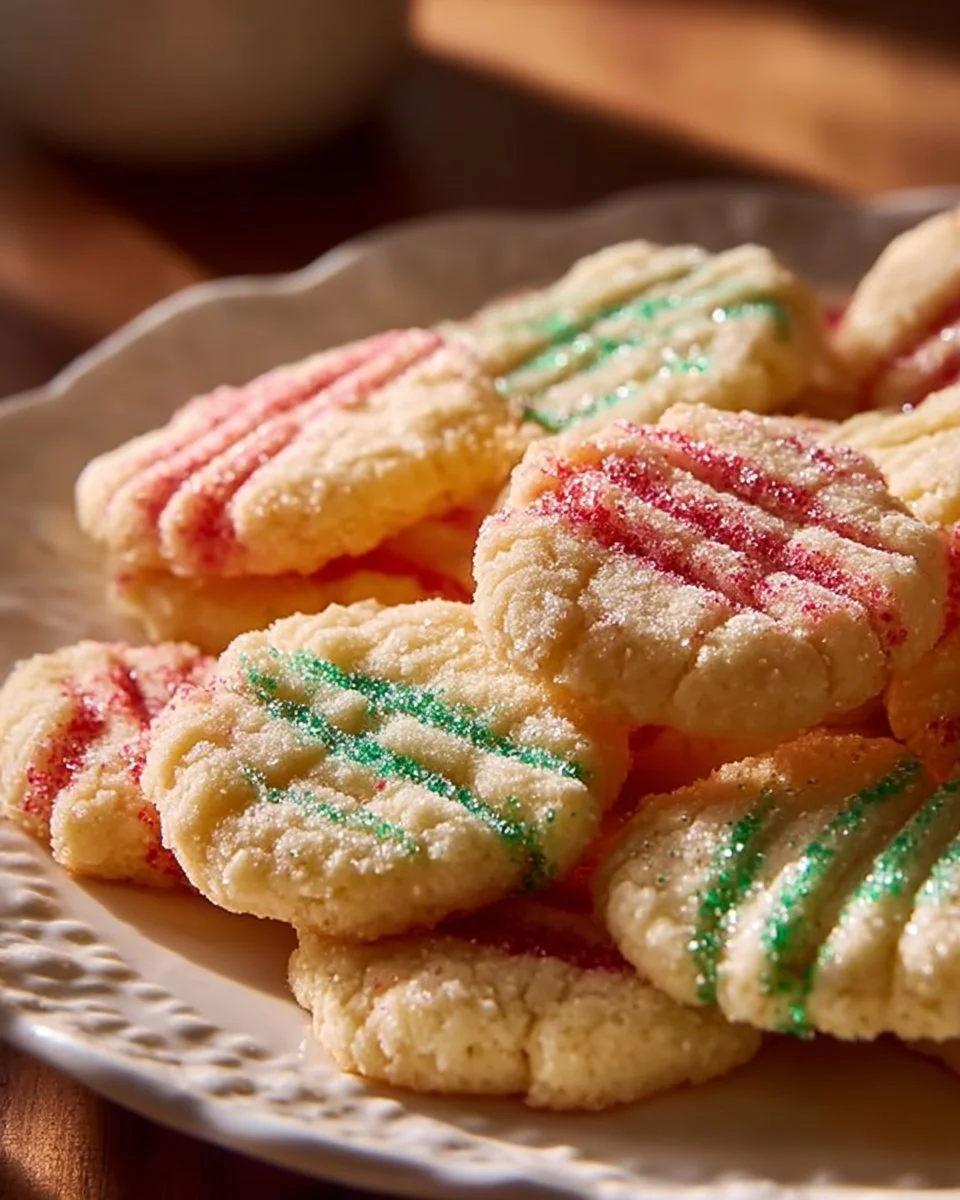
Easter Shortbread Cookies
These Easter Shortbread Cookies are a simple, buttery celebration in every bite. The dough is tender and crumbly with a melt-in-your-mouth texture that tastes rich but not heavy. Light powdered sugar gives a delicate sweetness while the splash of vanilla fills the kitchen with a warm, inviting aroma. If you choose to add lemon or orange zest the cookies gain a bright citrus lift, and a touch of almond extract adds a subtle nutty note. These cookies are perfect for spring gatherings, cookie exchanges, or to slip into Easter baskets. They are easy enough for baking with kids, yet elegant when decorated with sprinkles or drizzled chocolate for a holiday table. If you enjoy classic cookies made with minimal ingredients, you might also like my air fryer chocolate chip cookies for another approachable treat.
Ingredients
- 1 cup (2 sticks) unsalted butter, softened
Provides rich fat and a tender crumb; soften it to room temperature for easier creaming. - 3/4 cup powdered sugar
Gives smooth, fine sweetness and helps create the cookie’s delicate texture. - 2 cups all-purpose flour
The structure of the cookies; measure by spooning into the cup and leveling. - 1/4 cup cornstarch
Keeps the shortbread tender and slightly melt-in-your-mouth. - 1 tsp vanilla extract
Adds warm, classic flavor; use pure vanilla if possible. - 1 tsp lemon or orange zest (optional)
Bright citrus notes if you want a fresher finish. - 1/4 tsp almond extract (optional)
A small amount goes a long way toward a nutty, aromatic hint. - Sprinkles or melted chocolate for decoration (optional)
Use sprinkles for festive color or melted chocolate for a simple, elegant finish.
If you want a different kind of simple cookie to pair with these, try my air fryer brownie mix cookies for a fudgy contrast: air fryer brownie mix cookies.
Step-by-step Instructions
- Preheat your oven to 325°F (160°C) and line a baking sheet with parchment paper. This keeps the bottoms even and helps with cleanup.
- In a large bowl, cream together the softened butter and powdered sugar until light and fluffy, about 2 to 3 minutes. Use a hand mixer or stand mixer on medium speed.
- Mix in the vanilla extract and, if using, the almond extract or citrus zest. Stir until evenly combined. A small amount of almond extract is quite strong, so measure carefully.
- Sift in the all-purpose flour and cornstarch, then mix until a soft dough forms. Do not overwork the dough; stop mixing as soon as the dry ingredients are incorporated.
- Roll the dough into 1-inch balls, or flatten the dough and cut into shapes if you prefer. For a cleaner edge when cutting shapes, chill the dough briefly.
- Place the cookies on the prepared baking sheet, spaced about 1 inch apart to allow gentle spreading.
- Bake for 12 to 15 minutes, until the edges are just golden. Keep an eye on the first batch to determine exact timing for your oven.
- Allow cookies to cool on the sheet before decorating with sprinkles or melted chocolate. If using sprinkles press them gently onto the cookie while still warm; for melted chocolate, drizzle after cookies are fully cooled.
For a quick variation of simple cookies using a ready mix technique, see this air fryer cake mix cookies as a reference for method ideas.
Recipe Details
- Prep Time: 15 minutes
- Cook Time: 12 to 15 minutes per batch
- Total Time: 27 to 30 minutes (excluding cooling and decorating)
- Servings: about 36 small cookies (makes roughly thirty to forty depending on size)
- Calories: approximately 85 kcal per cookie (approximate, varies with final size and any decorations)
Find another family favorite with a crisp spice twist in my air fryer snickerdoodle cookies if you want more cookie inspiration: air fryer snickerdoodle cookies.
Tips, Storage & Variations
- Tips: Do not overmix after adding the flour and cornstarch; overworking develops gluten and can make the cookies tough. If your dough feels too soft to shape, chill it for 15 to 30 minutes. For neat edges when cutting shapes, press the dough between two sheets of parchment and chill before cutting.
- Storage: Store baked cookies in an airtight container at room temperature for up to 5 days. Place a piece of parchment between layers to prevent sticking.
- Freezing: Freeze unbaked dough balls on a tray until firm, then transfer to a freezer bag for up to 3 months. Bake from frozen, adding 1 to 2 minutes to the baking time. Baked cookies also freeze well for up to 2 months; thaw at room temperature.
- Flavor variations using only ingredients listed:
- Citrus shortbread: Add the 1 tsp lemon or orange zest and skip the almond extract for a bright flavor.
- Almond shortbread: Add the 1/4 tsp almond extract and omit the citrus zest for a subtle nutty note.
- Festive decorated shortbread: After cooling, use sprinkles or drizzle melted chocolate for holiday color or an elegant finish.
For broader alternate methods and tips, you may find useful ideas in this ultimate air fryer cookies resource: ultimate air fryer cookies recipe.
FAQ
- How do I know when shortbread cookies are done?
They are done when the edges are just turning golden and the centers look set. They will firm up as they cool. - Can I use salted butter instead of unsalted?
Yes, but reduce any added salt elsewhere or be aware the cookies will be slightly saltier. Unsalted gives more control. - Why is cornstarch used in shortbread?
Cornstarch softens the texture and creates a tender, melt-in-your-mouth crumb. - Can I use powdered sugar substitute?
Powdered sugar gives a fine texture; health or sugar substitutes may alter texture and are not recommended without testing. - Should I chill the dough before baking?
Chilling is optional; it helps if the dough is too soft or when cutting shapes for cleaner edges. - How long do decorated shortbread cookies keep?
Decorated cookies keep up to 5 days at room temperature in an airtight container, longer if stored in the refrigerator depending on decorations.
People Also Ask
- What is the difference between shortbread and butter cookies?
Shortbread is typically crumblier with a higher butter to flour ratio and often includes cornstarch for tenderness. Butter cookies may be slightly firmer and shaped differently. - Can I make these cookies vegan?
This recipe uses butter and powdered sugar, so to make vegan you would need to substitute vegan butter and ensure powdered sugar is vegan. That would change the recipe beyond the provided ingredients. - Why use powdered sugar not granulated sugar?
Powdered sugar blends more smoothly into butter and helps create a finer, crisper texture in shortbread. - Can I color these cookies?
You can color the melted chocolate for decoration or use colored sprinkles. Dyeing the dough itself can affect texture. - How do I prevent spreading?
Avoid over-creaming the butter and sugar, chill the dough if it feels too soft, and space cookies properly on the baking sheet. - Is aluminum-free baking powder needed?
This recipe does not use baking powder; no leavening is required for classic shortbread. - Can I make the dough ahead of time?
Yes, you can shape dough balls and freeze them, or prepare dough and refrigerate for up to 48 hours before baking. - What is the best baking temperature for even shortbread?
The recipe calls for 325°F to ensure even baking without overbrowning the bottoms while keeping the centers tender.
Conclusion
These Easter Shortbread Cookies are an easy way to add a handmade touch to your spring celebrations. They are buttery, tender, and versatile for simple decorating that looks festive on a platter or tucked into a basket. If you want inspiration for different shaped or themed shortbread, see this helpful guide to Easy Easter Shortbread Cookies for ideas and presentation tips. For a fun variation that swaps shapes and techniques, check the classic Easter Egg Shortbread Cookies – Baking Bites. Enjoy baking, and please share how your cookies turned out with friends and family for a cozy, joyful holiday table.