
Homemade Cinnamon Rolls
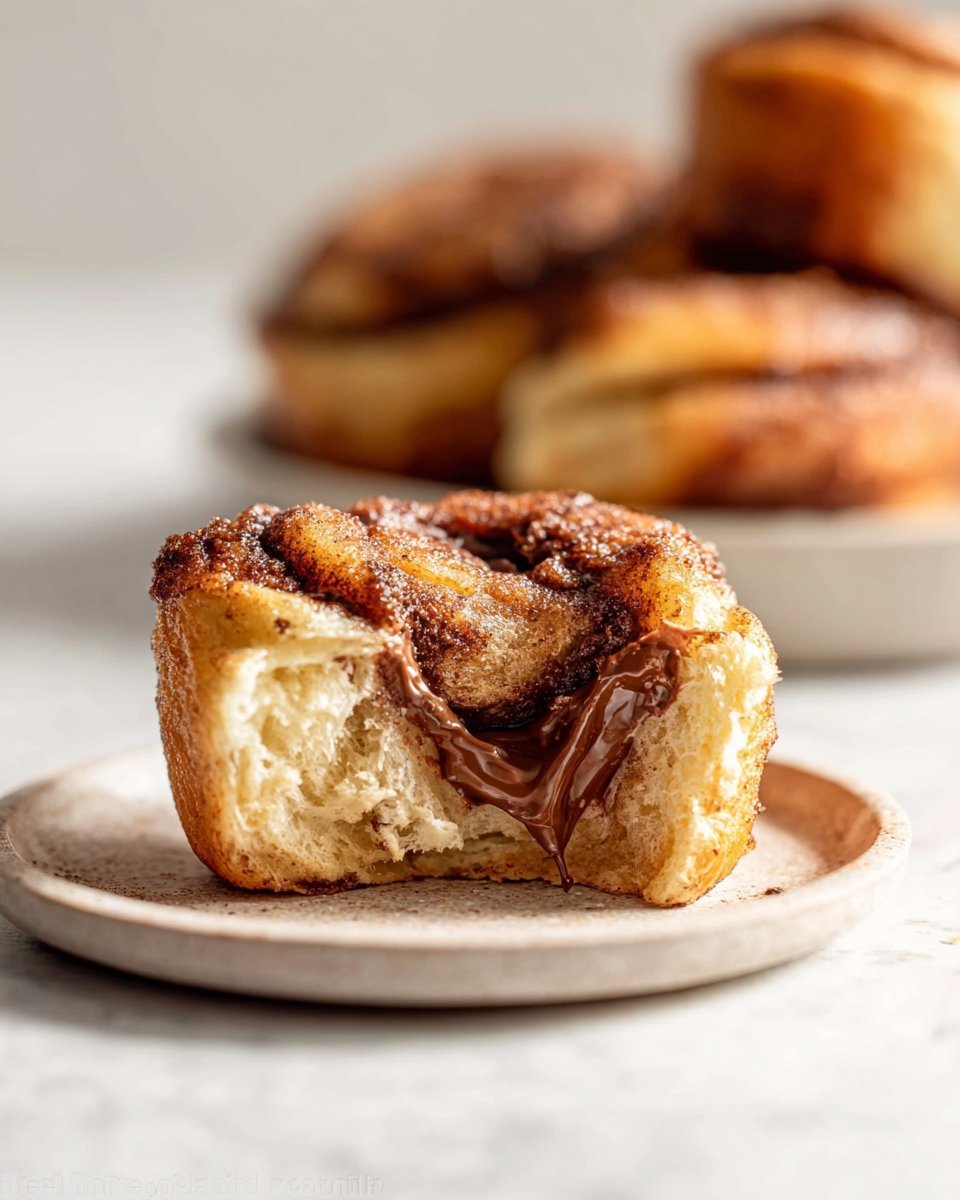
These homemade cinnamon rolls are soft, buttery, and filled with a warm, fragrant cinnamon sugar swirl. The dough is enriched with milk and a touch of butter, then laminated with a generous layer of butter to create tender, slightly flaky layers that bake up golden and irresistible. Expect sweet, aromatic notes of cinnamon and brown butter character from the laminated filling, a pillowy interior, and a caramelized edge where the sugar meets heat. These rolls are perfect for a leisurely weekend brunch, a holiday breakfast, or whenever you want a comforting baked treat to fill the kitchen with a cozy aroma. If you want a quicker approach or an air fryer alternative, try these air fryer cinnamon rolls for a playful twist.
Ingredients
-
1 cup whole milk, warmed to about 110°F (43°C)
Warm milk activates the yeast without killing it. Use a thermometer if you have one. -
2 and 1/4 teaspoons instant or active dry yeast
Standard single packet quantity. Either type works; if using active dry, dissolve in the milk as directed. -
3 tablespoons granulated sugar
Adds sweetness and helps the yeast bloom in the warm milk. -
3 tablespoons unsalted or salted butter, softened to room temperature
Enriches the dough and adds tenderness. Salted butter is fine if you prefer a slightly salty balance. -
3 cups all-purpose flour, plus more as needed
The structural base for the dough. Add a little extra if the dough is excessively sticky. -
1 and 1/4 teaspoons salt
Enhances flavor and balances the sweetness. -
1 cup salted butter, slightly softened for lamination
This is the lamination butter that creates layered, tender rolls. Using salted butter adds a pleasant contrast to the sugar. -
1 tablespoon all-purpose flour for lamination
Helps bind the lamination butter so it spreads smoothly. -
3/4 cup granulated sugar for filling
The main sweet element inside the roll that caramelizes while baking. -
1 tablespoon ground cinnamon
The signature spice for the filling. -
Optional fillings: Nutella, jam, lemon curd, or pastry cream
Use one or a combination to vary the flavor profile.
For a fun presentation idea, see this take on playful shapes like the Mickey cinnamon rolls.
Step-by-step Instructions
-
In the bowl of a stand mixer, whisk together the warm milk, yeast, and 3 tablespoons granulated sugar. Let it sit for about 5 minutes until foamy.
Tip: If it does not foam, your yeast may be inactive and should be replaced. -
Add the softened 3 tablespoons of butter, 2 cups of the flour, and the salt to the mixer. Mix on medium speed for 2 minutes until well combined.
Use the paddle or dough hook at low-medium speed so ingredients incorporate evenly. -
Gradually add the remaining flour, mixing until a soft dough begins to form. Add more flour only if the dough is excessively sticky.
The dough should be soft and slightly tacky, not dry. -
Knead the dough on medium speed with the dough hook, or by hand, for about 5 minutes until it is slightly tacky but smooth.
A smooth, elastic surface indicates good gluten development. -
Place the dough in a greased bowl, cover it, and let it rise until doubled in size, approximately 2 hours.
Keep it in a warm, draft-free spot for a reliable rise. -
Once doubled, punch down the dough and roll it out on a floured surface into a rectangle. Refrigerate for 20 minutes to firm up the dough for lamination.
Chilling helps keep the butter in the lamination layer from melting into the dough. -
While the dough chills, prepare the lamination by beating the 1 cup salted butter and 1 tablespoon flour together until well combined and smooth.
This creates a spreadable butter that will form the layered interior. -
After the 20 minute refrigeration, spread the butter mixture onto the center of the rolled dough. Fold the edges over the butter mixture and roll it into a rectangle again.
Work quickly if your kitchen is warm so the butter stays spreadable and not greasy. -
Chill the rolled dough in the refrigerator for an additional 20 minutes.
This second chill firms the layers so they hold shape when cut. -
Roll out the dough again into a rectangle. Sprinkle with 3/4 cup granulated sugar and 1 tablespoon ground cinnamon, and add optional fillings such as Nutella, jam, lemon curd, or pastry cream if desired.
Distribute fillings evenly, leaving a small edge so the seam can seal. -
Roll the dough tightly into a log, sealing the seam as you go.
A tight roll gives uniform spirals and prevents unrolling during the final rise. -
Cut the log into individual rolls and place them in a lined or greased baking dish. Allow them to rise until puffy before baking.
Depending on room temperature, final rise may take 30 to 60 minutes. -
Bake in a preheated oven until golden brown, then cool briefly and enjoy your delicious cinnamon rolls.
Baking time varies with oven and dish; bake until the tops are a rich golden color and the centers are set.
Small tip: If you want a variation in texture, a quick search of related pastry methods can give ideas for shaping and cooking, such as this fast savory snack approach that uses an air fryer technique for small bites 15-minute air fryer veggie egg rolls.
Recipe Details
- Prep Time: 40 minutes active, plus rises and chills
- Cook Time: About 20 to 25 minutes
- Total Time: Approximately 4 hours and 5 minutes, including rises and chills
- Servings: Makes about 12 rolls
- Calories: Approximately 370 kcal per roll
For a smaller, bite-sized version to serve at parties, consider ideas from this cinnamon roll bites concept cinnamon roll bites.
Tips, Storage & Variations
-
Practical tips
- Keep all ingredients at the indicated temperatures; warm milk is important for yeast activity.
- Chill the dough as directed to make lamination easier and cleaner.
- If your kitchen is warm, shorten the chilling steps slightly to prevent butter bleeding into the dough.
-
Storage
- Store cooled rolls in an airtight container at room temperature for up to 2 days.
- For longer storage, refrigerate for up to 4 days.
-
Freezing
- Freeze unbaked, shaped rolls on a tray until firm, then transfer to a freezer bag for up to 2 months. Thaw overnight in the refrigerator before allowing the final rise and baking.
- Baked rolls can be frozen after cooling, wrapped tightly, for up to 2 months. Thaw and warm gently before serving.
-
Flavor variations using existing ingredients only
- Nutella swirl: Spread a thin layer of Nutella in place of or alongside the cinnamon sugar for a chocolate-hazelnut version.
- Jam or lemon curd: Add a thin ribbon of jam or lemon curd for fruity brightness.
- Pastry cream: Pipe a small amount of pastry cream into the center before rolling for a custardy core.
For other useful uses of an air fryer in the kitchen, like transforming bread into crunchy toppings, see this example of making croutons in an air fryer air fryer croutons.
FAQ
-
How do I know if the yeast is active?
If the milk, yeast, and sugar mixture becomes foamy within about 5 minutes, the yeast is active. -
Can I use salted butter in the dough and lamination?
Yes, the recipe allows either unsalted or salted butter for the dough and specifies salted butter for lamination. -
What if my dough is too sticky?
Add flour a tablespoon at a time until it is manageable, but avoid adding too much to keep rolls tender. -
Can I prepare these ahead of time?
Yes, shape and freeze unbaked rolls, then thaw and allow a final rise before baking. -
How long should the final rise be after shaping?
Allow the rolls to rise until puffy, usually 30 to 60 minutes depending on room temperature.
People Also Ask
-
Can I make cinnamon rolls without a stand mixer?
Yes, you can mix and knead the dough by hand; knead until smooth and slightly tacky. -
Is lamination necessary for this recipe?
Lamination creates layered tenderness and a flaky quality, but you can skip it for a simpler roll texture. -
How do I prevent the butter from leaking during lamination?
Keep the dough and butter cool and work quickly, refrigerating as instructed between steps. -
Can I substitute lower fat milk or non-dairy milk?
Using whole milk gives the best richness; substitutions may alter texture slightly. -
Will the rolls still rise if my kitchen is cool?
Yes, but rising will take longer. Place the dough in a warm spot or use a proofing setting if available. -
How thick should I roll the dough before cutting?
Aim for a rectangle about 1/4 to 1/2 inch thick so the spirals bake evenly.
Conclusion
These homemade cinnamon rolls are worth the patient rises and gentle laminating steps for their tender, flavorful spirals. They pair beautifully with coffee or tea and make a warming centerpiece for weekend breakfasts. For another approach and inspiration, you might compare this technique to the popular Cinnabon-style method found at Homemade Cinnamon Rolls (Cinnabon Copycat) recipe at Tastes of Lizzy T, or explore a one-rise, quick method at Easy Cinnamon Rolls (Only 1 Rise) from Sally’s Baking Addiction. Give the recipe a try, adapt the fillings you love, and share your warm, buttery results with friends and family for a cozy, rewarding bake.